
Advisors
Our advisors are invaluable in helping us achieve our mission of advancing American Muslim talent in medicine. Experts and authorities in their own right in each of their respective fields, they bring immense wisdom on answering the question of what is Muslim physicianhood and how we can foster it. Most importantly, each of our advisors walks the walk- they are living breathing examples of ihsan at play. We are indebted to their guidance and trust.
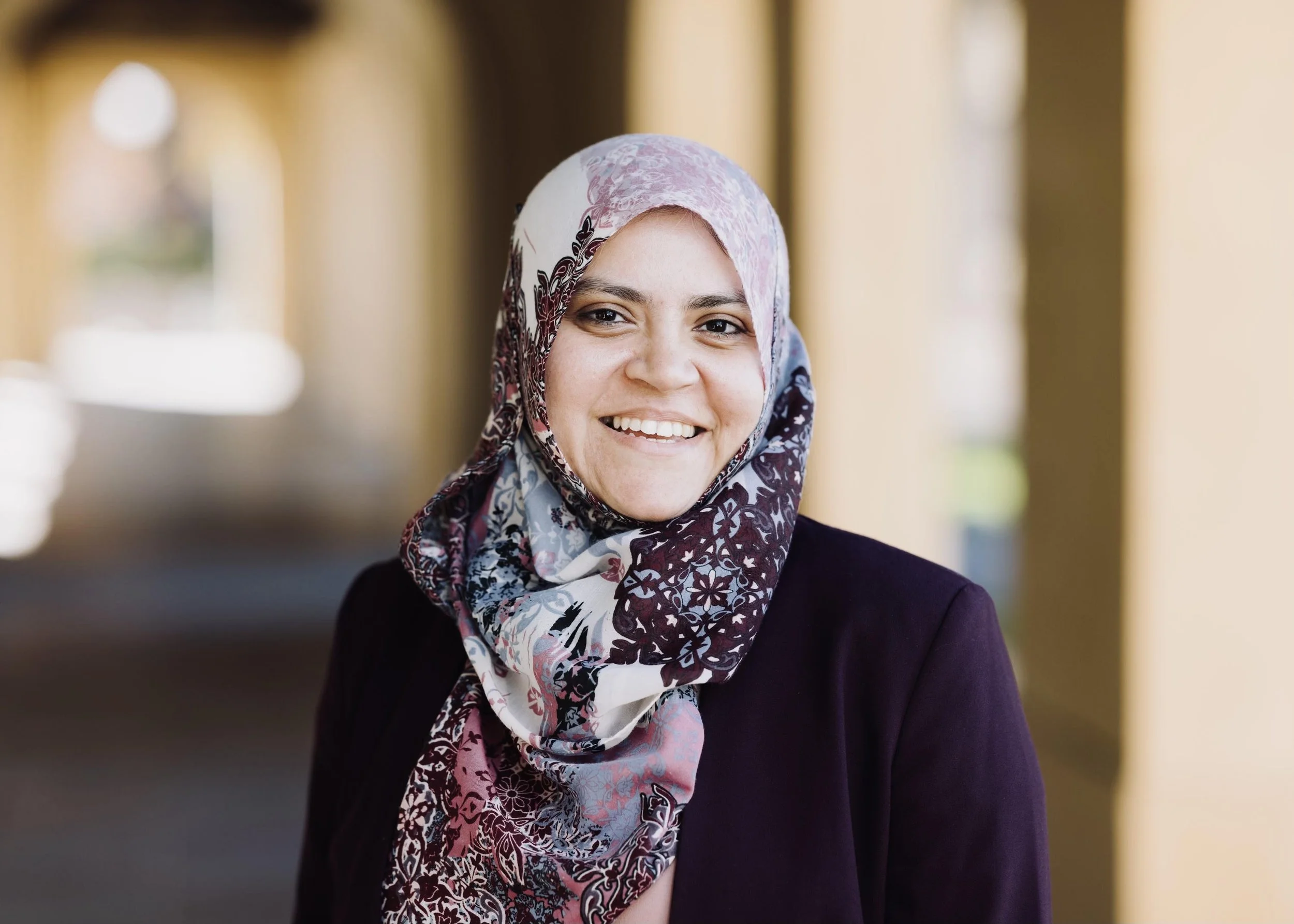
Abiya Ahmed, PhD
AdvisorAssociate Dean of Students & Director of the Markaz Resource Center, Stanford UniversityDr. Ahmed is the Associate Dean of Students and Director of the Markaz Resource Center at Stanford University, where she also teaches courses on the American Muslim experience. As a researcher-practitioner, her work aims to bridge higher education philosophy with campus praxis. Her scholarship and practice pay attention to the lived experiences of religious and racial minorities, institutional policies and priorities, religious pluralism, campus politics, and the dynamics of inclusion, belonging, and student success. Dr. Ahmed’s work has appeared in both academic journals and public news media. She is the author of Being Muslim on Campus: Religion, Inclusion, and Agency at a Secular University, published by Oxford University Press.
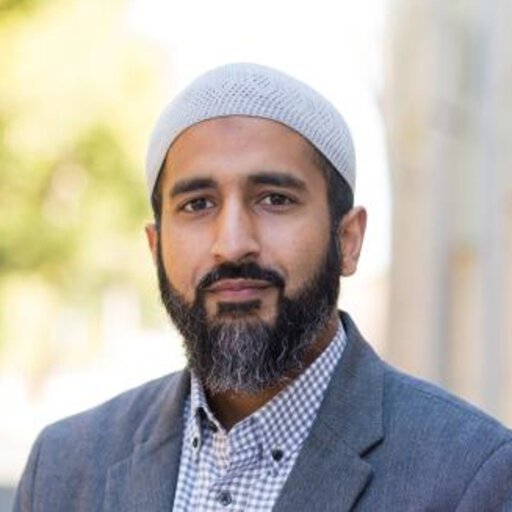
Amer Raheemullah, MD, MA
AdvisorDirector of Addiction Services, Stanford HospitalDr. Raheemullah is an Associate Clinical Professor in the Department of Psychiatry and Behavioral Sciences at Stanford, where he launched and now directs the Stanford Hospital Addiction Services program. He is boarded in Internal Medicine and Addiction Medicine and has published extensively on addiction and addiction and Muslims including in JAMA and Cambridge University Press. He serves as a consultant for various digital health startups and has been invited to advise on national addiction policy by the FDA, HHS, and SAMHSA. He is also a graduate of the MA in Islamic Texts from Zaytuna College where his thesis was entitled "The Addicted Soul: Defining the Roots of Addictive Behavior through Ghazali’s Mizan al-’Amal.” His work focuses on improving scalable models of addiction treatment and implementing evidence-based care.
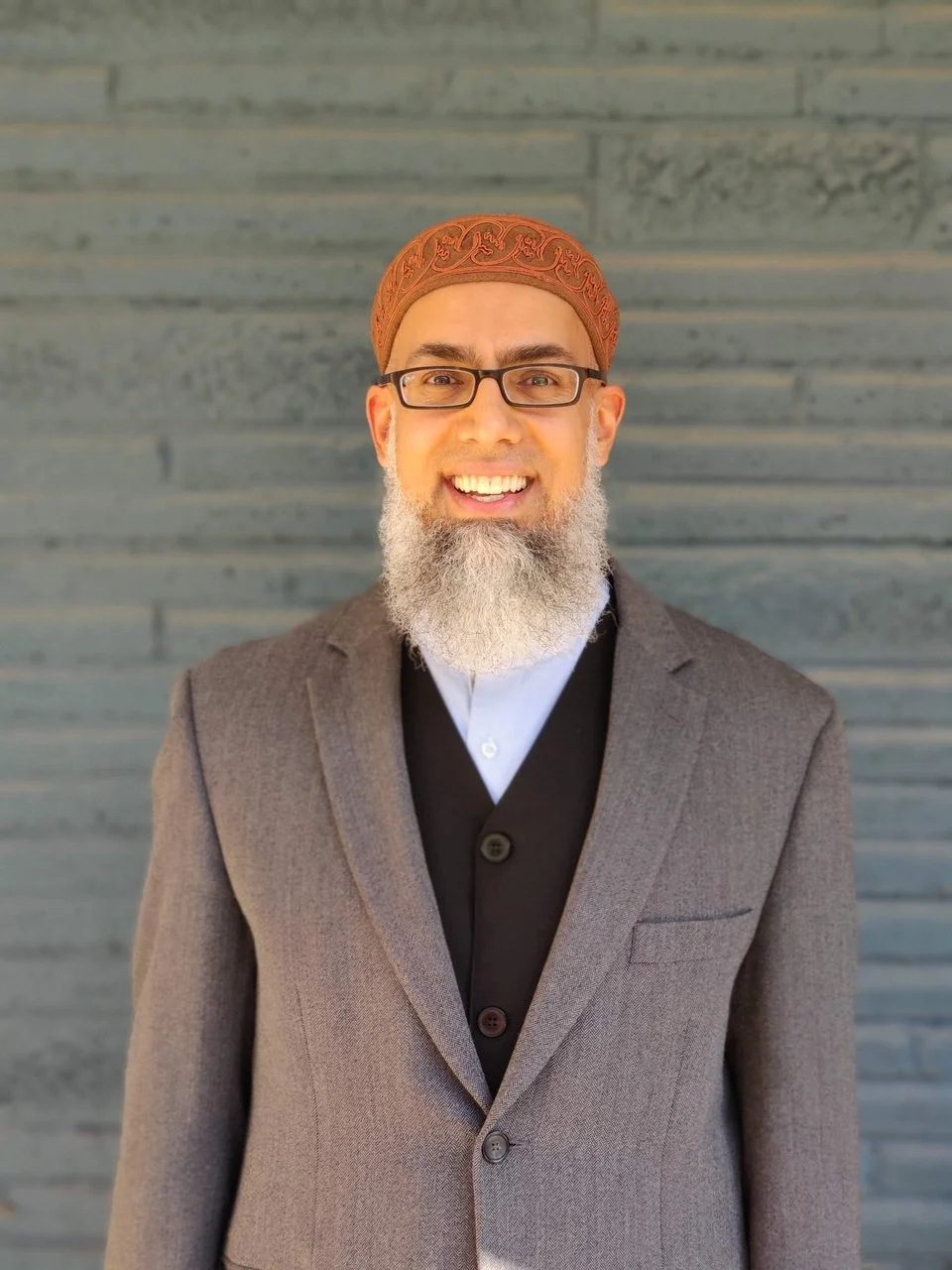
Imam Omer Bajwa
AdvisorImam Bajwa serves as the Director of Muslim Life at Yale and is a Lecturer at Yale Divinity School. He has been engaged in religious service, inter-religious engagement and educational outreach since 2000. He earned his Graduate Certificate in Islamic Chaplaincy from Hartford Seminary, has an MA in Near Eastern Studies and an MS in Communication from Cornell University, and a BA from Binghamton University. He has also studied several classical Islamic sciences with traditional scholars from Pakistan, Turkey and the United States. His interests include Islam in the United States and the intersections of culture, media, politics and spirituality. He regularly lectures about these and other topics around the country. He is a co-editor of the book Mantle of Mercy: Islamic Chaplaincy in North America. Additionally, he mentors Muslims on exploring their intellectual and spiritual lives in today’s world. He loves taking long hikes with his family and friends, and when not working, he can often be found sampling local desserts.
Director of Muslim Life, Yale University